Agenda
Day One
|
Day Two
|

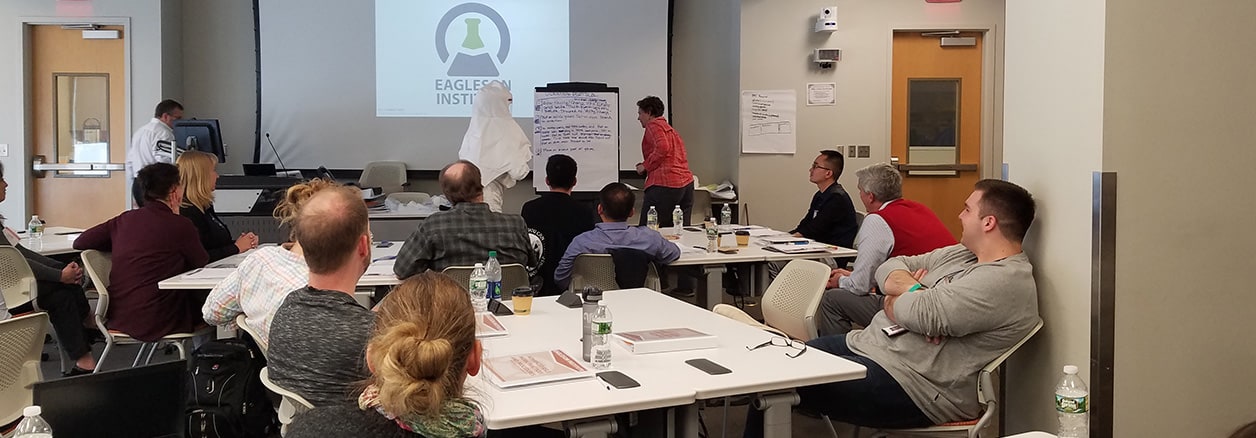
Our teaching team of a design engineer, biosafety engineer, and commissioning agent provide practical, “been-there, done-that’ information, incorporating real-world experience as well as theoretical knowledge.
Study the impact of design on operations, safety, and sustainability of BSL-3/ABSL-3 labs. Presentations will introduce concepts related to design and operation. They will be followed by case studies and lessons learned in the many facilities designed or operated by our instructors. This will include examining the impact of energy efficiency/sustainability efforts on cost savings and safety. Class attendees will participate in both an architectural and mechanical tour of a state-of-the-art laboratory facility.
Note: This class is part of a series, beginning with a virtual class on Fundamentals of BSL3 taking place on April 8, 2026. On April 29-30, a class, “Advanced BLS-3 Practices and Procedures,” on Tuesday, April 28th there is a complementary tour of Duke’s Regional Biocontainment Laboratory (RBL).
Anyone associated with a BSL-3 facility will benefit from this class. This includes:

|
DATE |

|
TIME |
 | LOCATION |
$1,345.00
Day One
|
Day Two
|



Tuition of $1345 must be paid in full to guarantee a space in the class. Register for the entire week of classes to receive a discount.
Tuition Includes: course manual; lunch each day; an Eagleson Institute certificate; and a special class reception, with plenty of time to network with peers and instructors.